Day one in Siena: walking around the streets in awe, snapping photos of the Piazza Il Campo, and nervously watching the crowds.
Day fourteen in Siena: walking through the streets with the destination in mind, stopping in a coffee shop with a “Buongiorno” for the barista, brushing through the crowds.
We’ve all had vacations where we stay in a hotel, see the iconic sites of our destination, eat at some touristy restaurants, then go home. But did we actually experience what life is like in that place?
Several times throughout my life I’ve been lucky enough to travel to typical tourist destinations, but experience them through a more local lens than a tourist one. While straight up tourist traveling is fun and perfectly fine, there are benefits to taking a different approach: Local Living Travel.
Why Travel This Way?
“Local Living Travel” is journeying to a new destination, and while still seeing some typical tourist areas, living more locally and experiencing life as a native person to the best of your ability in your trip’s time frame. The benefits to traveling this way include:
- Being able to understand their viewpoint on the world
- Seeing areas that are not well-known and therefore may not be as busy
- Connecting with individuals not directly involved with the local tourism industry
- Living in the accommodations local people inhabit
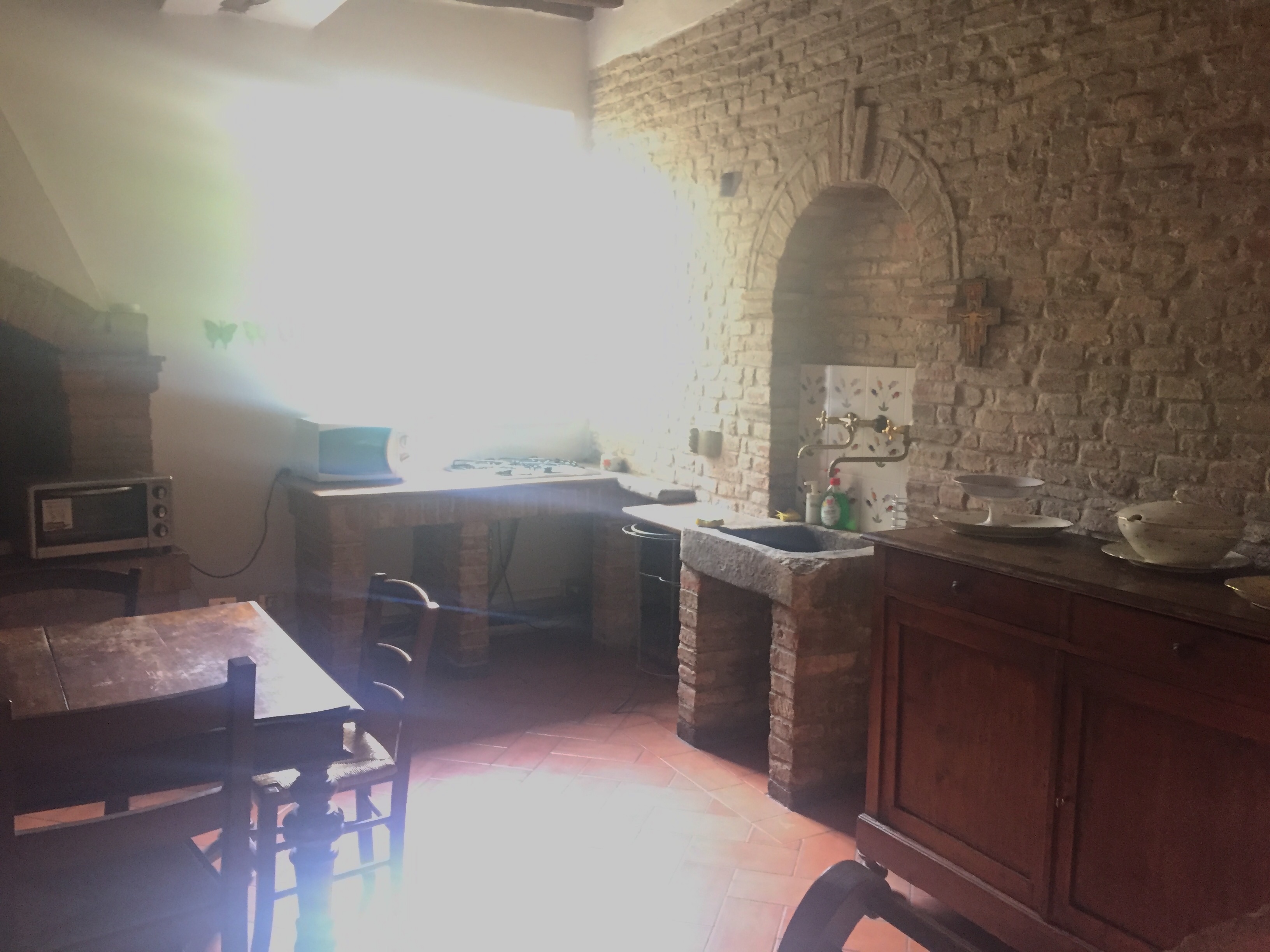
“Travel is the best form of practical learning, hands down. It forces you to think on your feet, problem solve, and do this while facing language, cultural, and social barriers. College years are the best time to do this!” says Kim Burner, an IES Study Abroad representative. As a dual citizen of the United States and Italy who came here after college, Burner has experience with being a living local tourist – she just happened to turn in to a permanent resident! When her family comes to visit her, they enjoy doing things as the locals do, as they “enjoy mostly the contact with shop owners because in the States, the supermarkets are big and impersonal.”
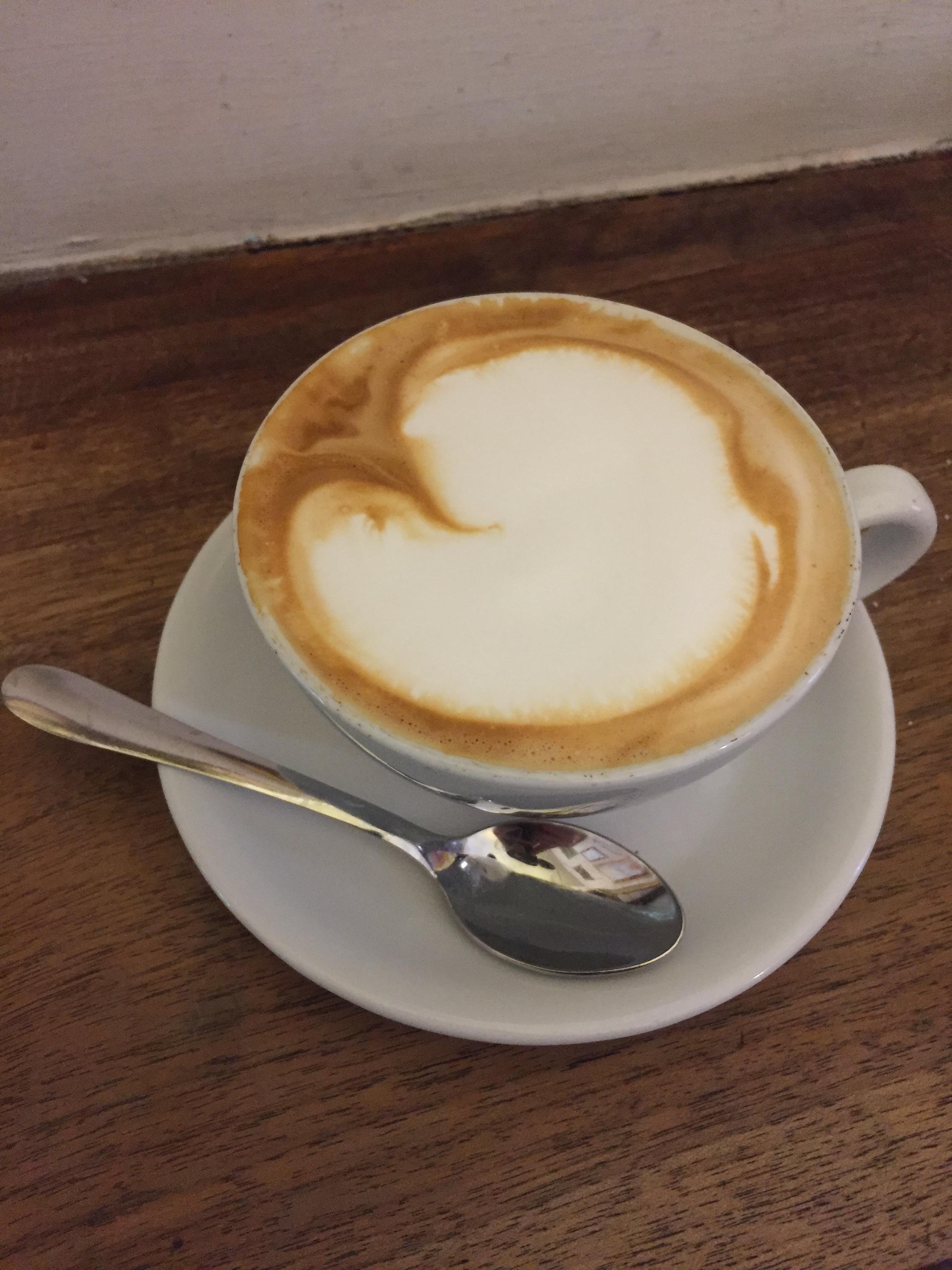
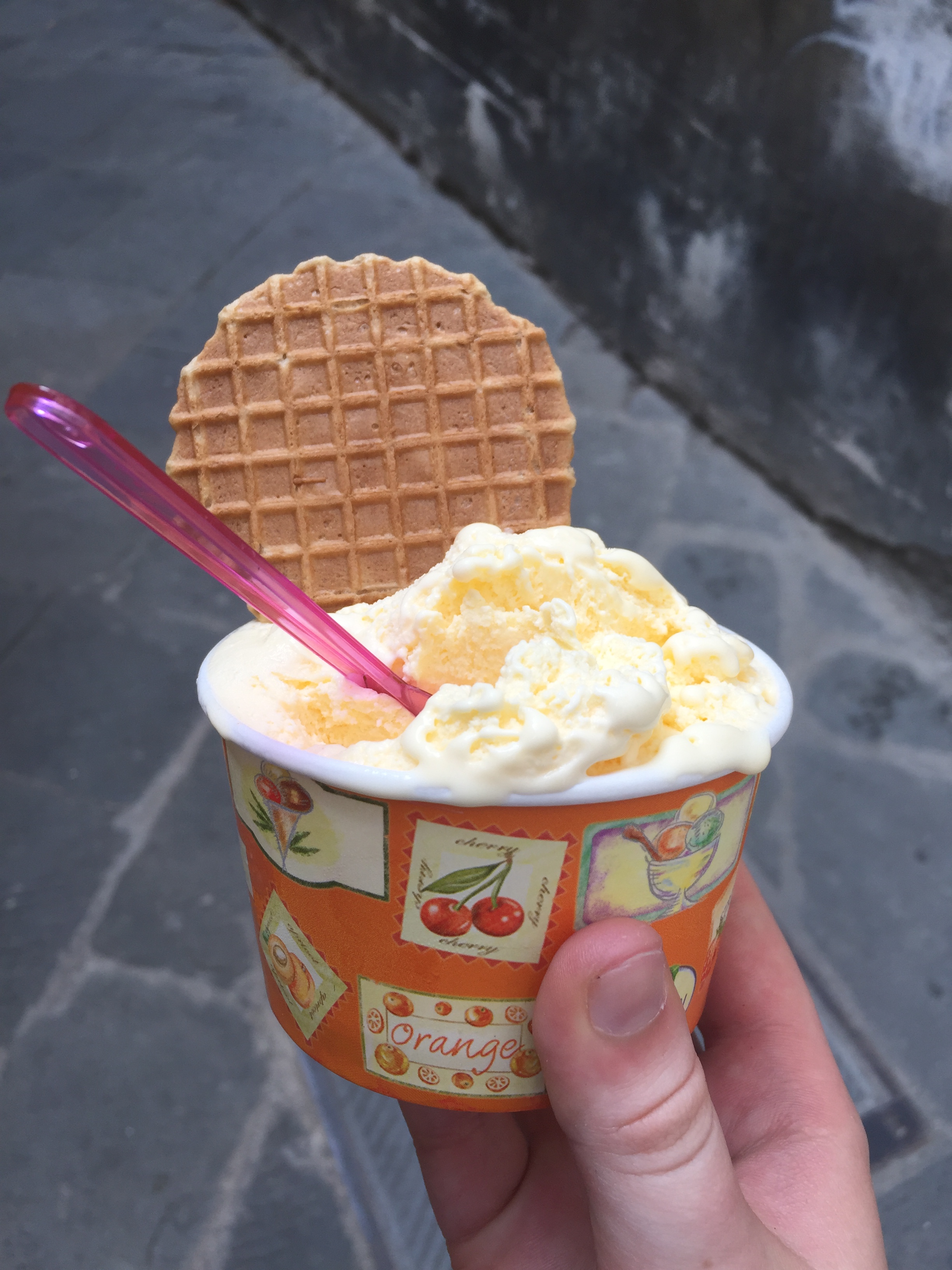
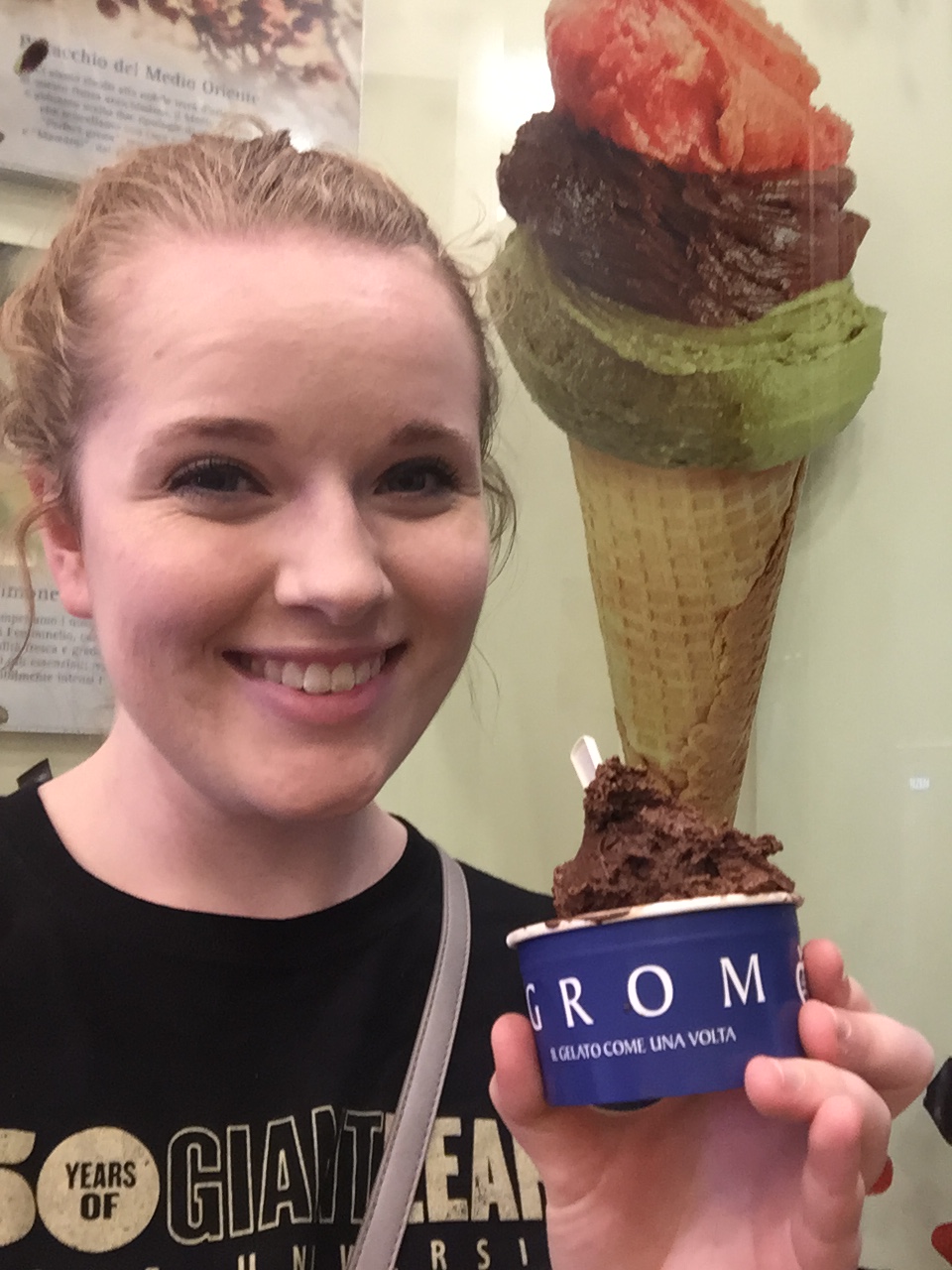
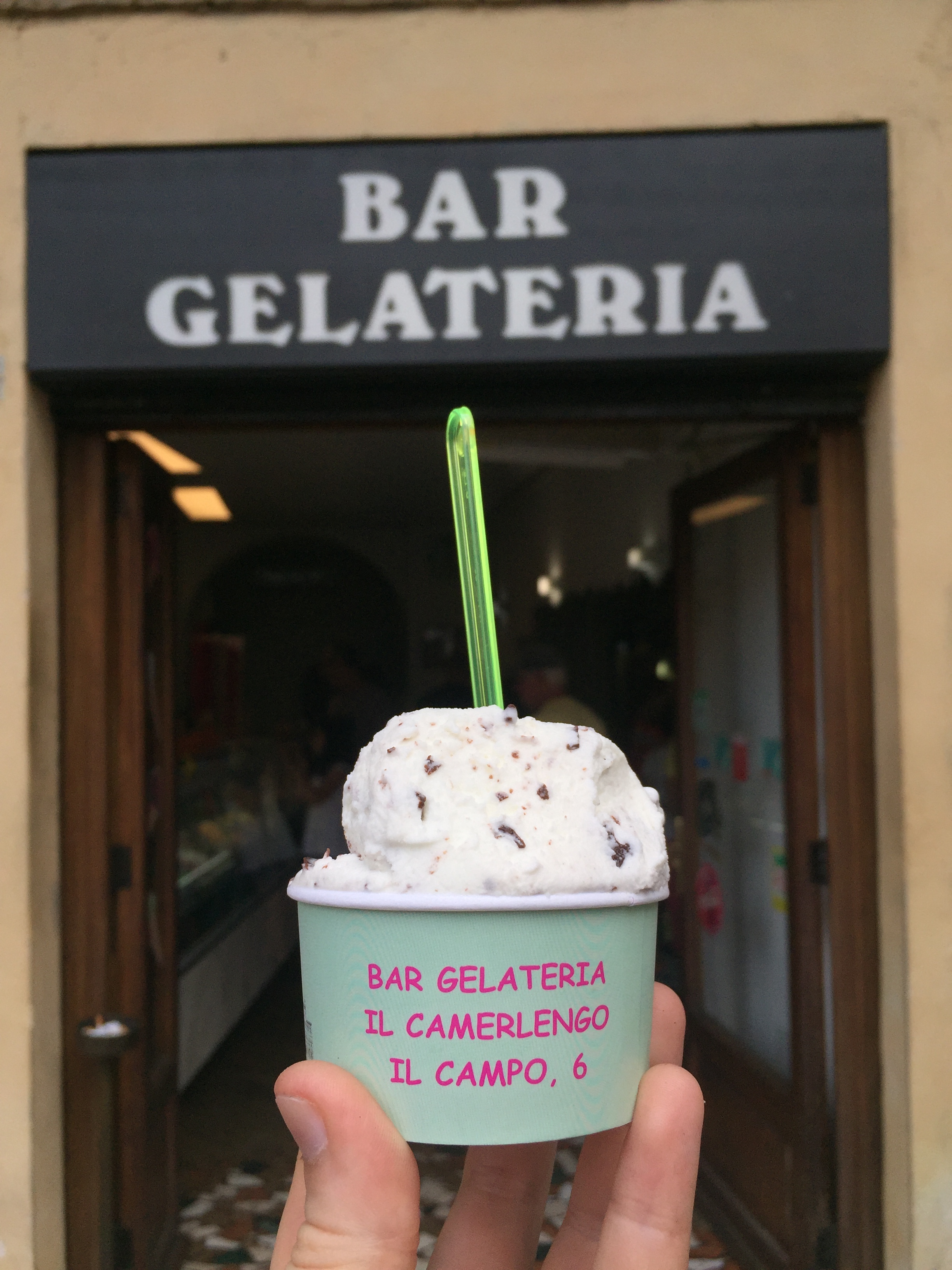
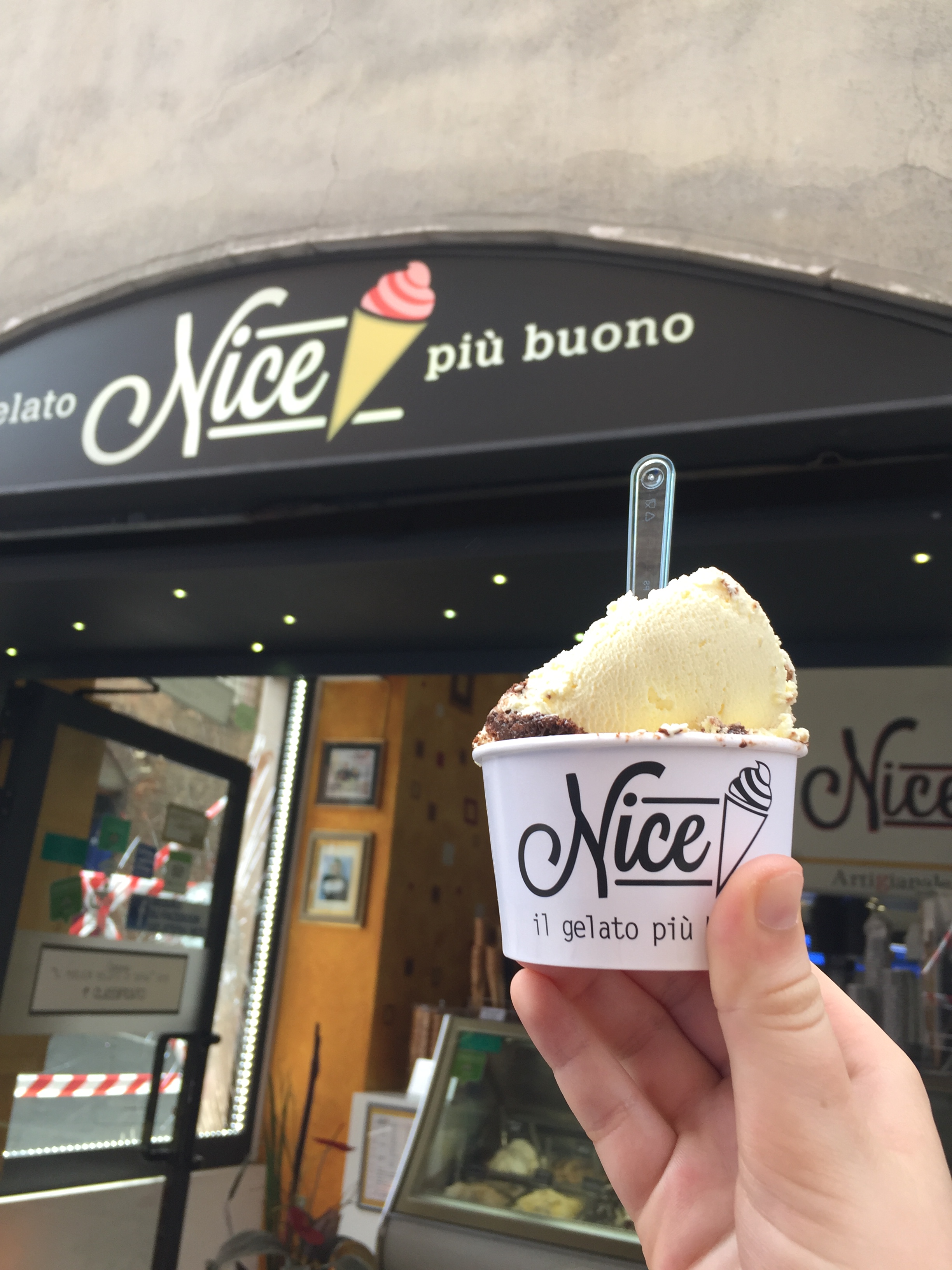
I experienced this myself during my stay in Siena. Spending four weeks on a study abroad program was a fulfillment of every dream for a younger me. Doing more than simply going on tours of iconic places and monuments was appealing. Throughout the program, I got practice ordering coffee, gelato and dinners in Italian, and went to my first international grocery store.
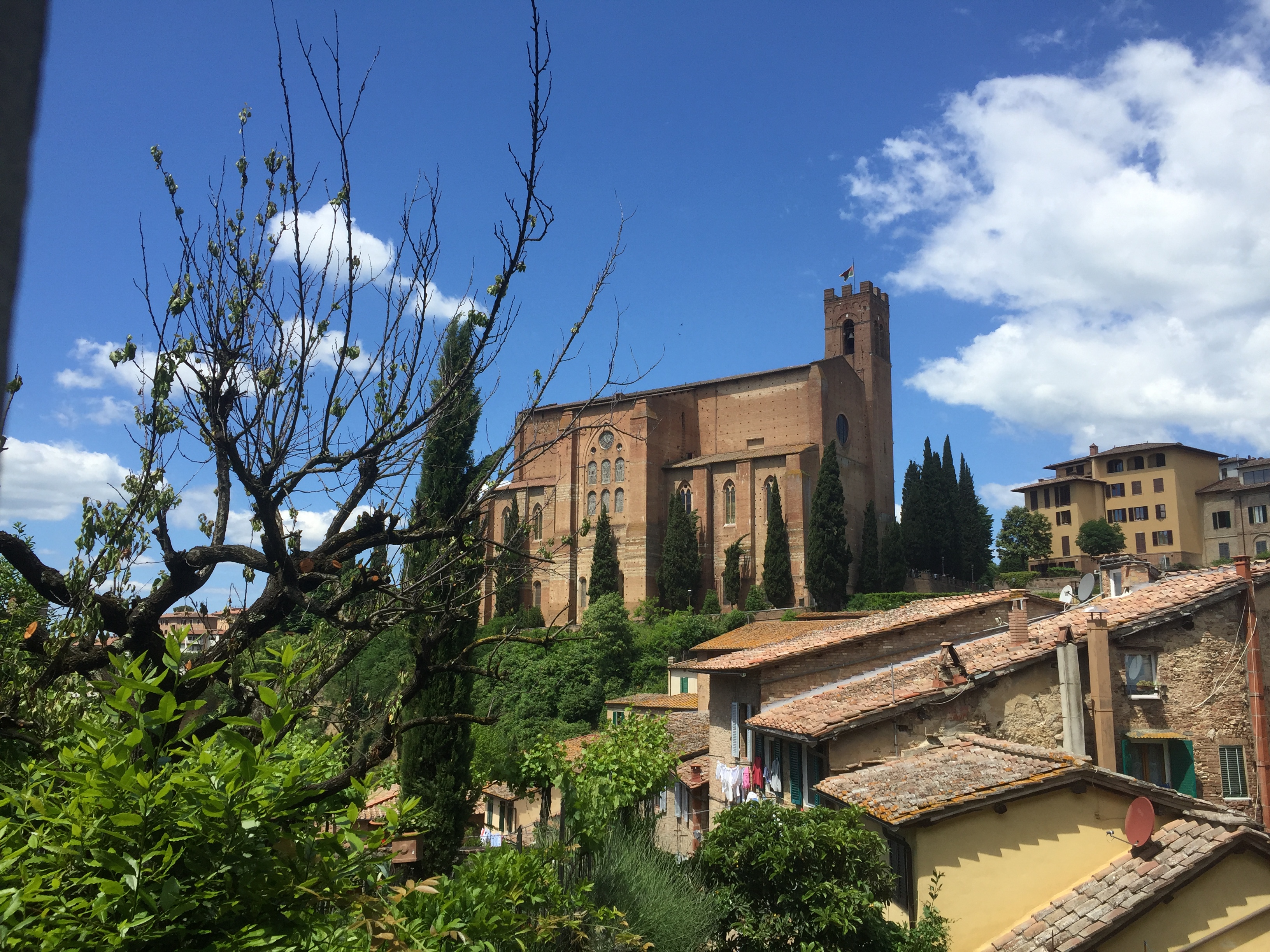
On our first day, during the city tour from the IES study abroad leader, she told my group that the Conad City by the bus station was the “big” grocery store, so I was surprised to find that it was in fact smaller than the smallest grocery I’ve seen in the United States. Additionally, there was not as much variety in brands or types of foods to get, and everything is so fresh that it will spoil in a few days if not consumed, because of their lack of pesticides. I had to get used to these simple things, as grocery shopping and shelf life differ greatly at home. Through discussions with IES employees, I have learned a lot about daily life in Siena, especially in regards to the contradas, or historical neighborhoods, of Siena. Understanding the deep cultural ties to their contradas helps me to understand the life of the Sienese better.
Before I ventured out of the United States and over to Italy, I had a few smaller tastes at local living travel in two destinations: Boston and Las Vegas.
My local living experience in Boston occurred when I stayed with my cousin and her young family tagging along with their life in the colonial city while also still doing a few tourist experiences. I attended a birthday party for her children’s friend, and got to talk to some parents who have lived in Boston for their whole lives and others who have lived there a few years like my cousin. I learned about the schooling system in Boston, where in the 1970s and 1980s the government implemented bussing to help desegregate the city. My cousin was going to have to enter a lottery to try to get a nearby school for her son’s kindergarten the following year. Had I just stayed in a hotel downtown on my Boston visit, I never would have been able to learn this information.
However, when my cousin’s kids were in preschool, I got to do some unique touristy events. I attended a Celtics vs. Raptors NBA game, went to the Boston Aquarium, walked most of the Freedom Trail, and, my favorite, saw humpback whales in the North Atlantic Ocean.
Las Vegas led me to a visit with another cousin. My primary purpose for the trip was to babysit her kids, but by doing so I got a glimpse of family life in Las Vegas – a seemingly dichotomous statement. We went to the grocery store, the movie theater, and the playground. The playgrounds alone were different from any I have seen before, as they had gigantic shade coverings over the structures, to keep families from being dissuaded to visit the playground in the 100+ degree heat that permeates Las Vegas in the summer months.
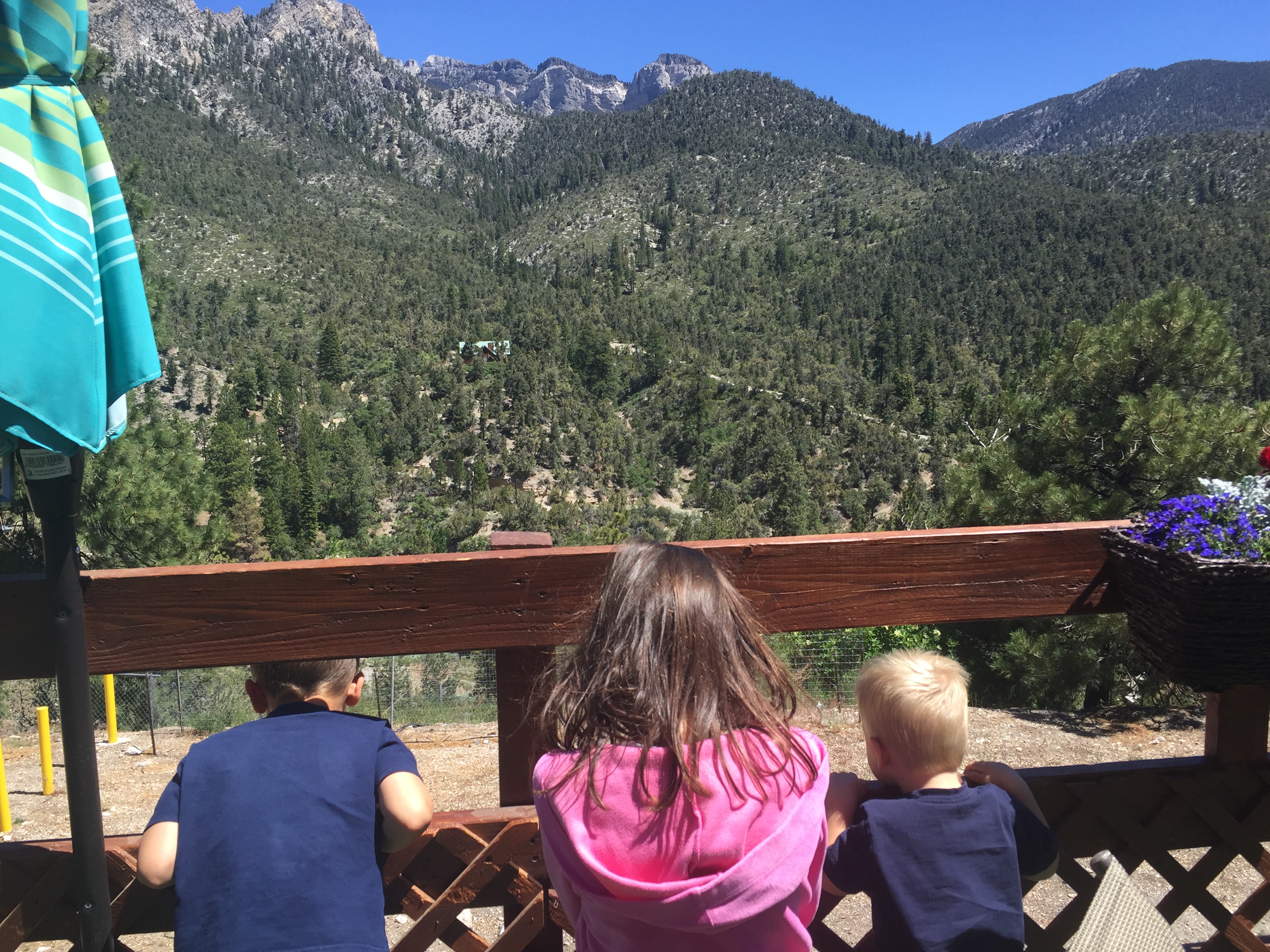
As the kids were on summer break, we did a few touristy things – dinner at the In-N-Out right of the Vegas strip was certainly an adventure, with my little cousins loudly asking why there were women in their “underwear” (really their swimsuits) and fighting to find a table and feed them before it was snatched up by a hungry tourist. We then went to Mount Charleston in the Spring Mountains National Recreation Area near the city, which was an incredible drive out of the city, into the desert, and then up a 9,000-foot mountain. That experience reminded me of how people feel temperatures differently depending on their place of residence because my cousins thought the 70-degree heat at the top was “cold”, while I found a t-shirt and shorts perfectly refreshing for the June afternoon.
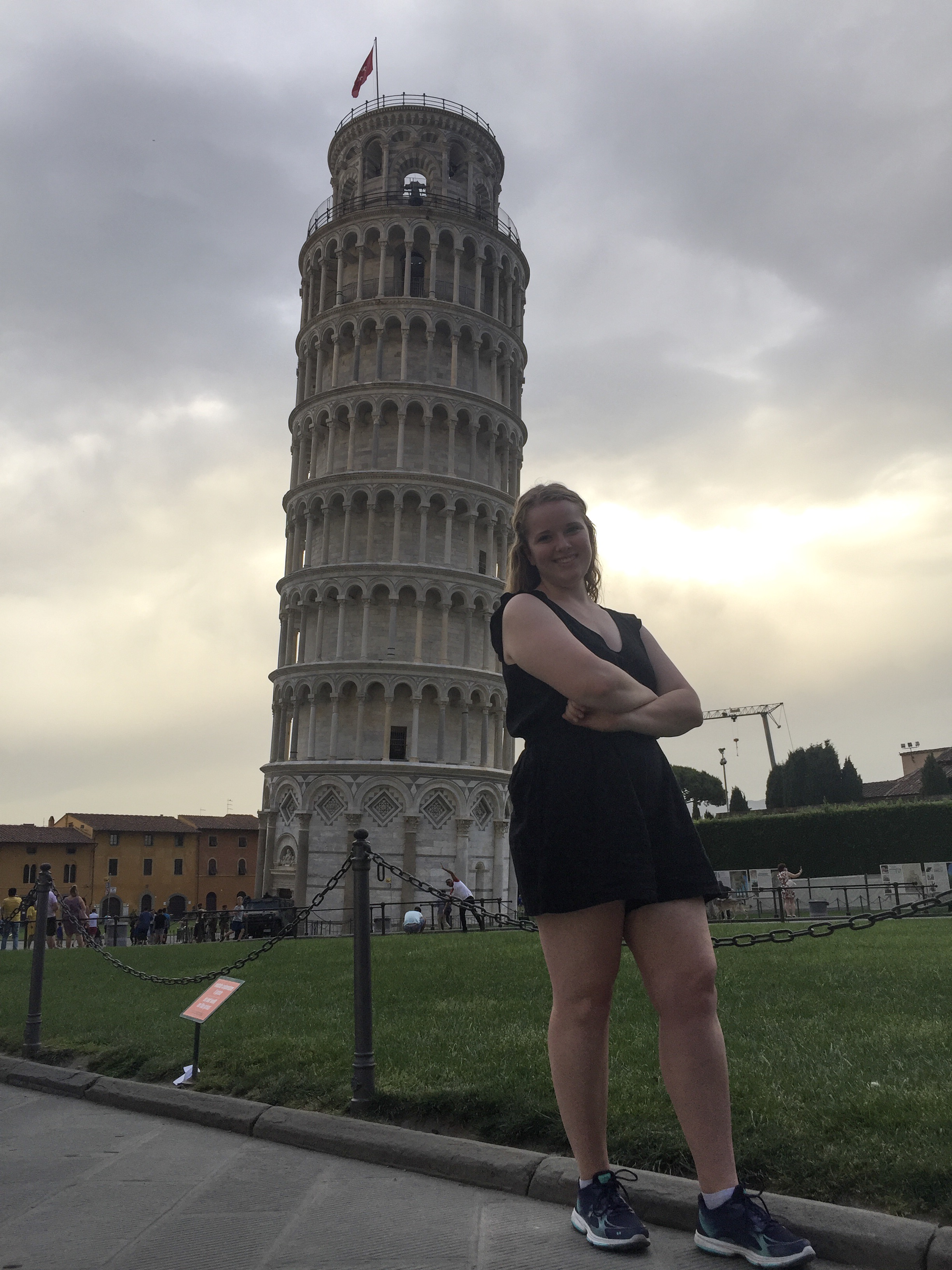
My Boston and Las Vegas experiences unknowingly prepared me for a month in Siena. However, a study abroad program in Italy and its daily life haven’t stopped me from traveling and seeing some iconic sites. The Leaning Tower of Pisa and the Coliseum and Trevi Fountain in Rome were all sites I saw, but the journey to these sites and the places themselves helped me to appreciate the quieter life in Siena I experienced. There’s a distinct lack of salesmen in Siena putting water bottles and small trinkets in your face, trying to convince you to buy one from them. While seeing important and well-known worldwide icons such as the Tower and the Trevi are enjoyable and almost vital to a summer in Italy, experiencing the ordinary side of Italian life is the only way to fully experience Italy.
After passing by the same restaurant, Bagoga, several times a day, I stopped to talk to one of the waiters. He served me the first time I went to the restaurant, and I wave to him almost every time, as he is always serving the restaurant goers at the outdoor tables. I asked him what his name is, and he told me it is Angelo. He asked me why I wanted to know, and I told him that I wanted to know since we always said hi to each other. This unique relationship with a restaurant server is something one could only attain by stopping and fully enjoying life in their destination. “Italians are so gracious and once they get to know you, they treat you special compared to other tourists” observed Burner. “It is the little things that are special and make you feel like you are really welcome in a foreign land.” When I’m back in Indiana walking up to my home, I’ll think of Angelo and his kind smile and cheerful “Buongiorno!” he always greets me with.
 Kate Jess Travel